← Back to results

Agora
2009 127 min Spain PG-13 18+
★7.0
Adventure, Drama, History
Director: Alejandro Amenábar
Trailers
Description
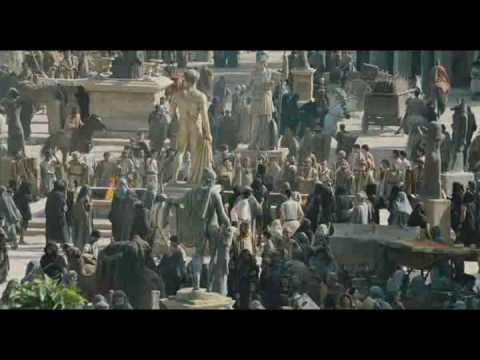
A historical drama set in Roman Egypt, concerning philosopher Hypatia of Alexandria and her relationship with her slave Davus, who is torn between his love for her and the possibility of gaining his freedom by joining the rising tide of Christianity.
Budget:
$70M
US Gross:
$619,423
Worldwide:
$39.46M
Starring
Rachel Weisz
Actor
Max Minghella
Actor
Oscar Isaac
Actor
Awards
Goya Awards 2010
— Best Cinematography
Goya Awards 2010
— Best Costume Design
Goya Awards 2010
— Best Visual Effects
Goya Awards 2010
— Best Production Design
Goya Awards 2010
— Best Makeup and Hairstyling
Goya Awards 2010
— Best Picture
Goya Awards 2010
— Best Director
Goya Awards 2010
— Best Production Management
Goya Awards 2010
— Best Actress
Goya Awards 2010
— Best Film Editing
Goya Awards 2010
— Best Original Screenplay
Goya Awards 2010
— Best Sound
Goya Awards 2010
— Best Original Score
Key opinion
Agora is a visually ambitious historical drama that explores the clash between religious dogma and scientific inquiry through the life of Hypatia of Alexandria. While the film is widely praised for its immersive production design and thought-provoking thematic depth, it remains polarizing due to its perceived historical inaccuracies and stark, often unflinching portrayal of religious conflict.
| Production | The film features meticulously detailed production design that effectively recreates the atmosphere and scale of ancient Alexandria. | |
| Acting | Rachel Weisz delivers a powerful and compelling performance, grounding the film's intellectual and emotional stakes. | |
| Theme | The narrative invites deep reflection on the cyclical nature of power, intolerance, and the dangerous intersection of politics and faith. | |
| Adaptation | Opinions on historical accuracy are divided: some appreciate the film's attempt to highlight a neglected historical figure, while others condemn its significant departures from documented facts and its stylized, binary depiction of religious groups. |