Trailers
 EN
EN
 EN
EN
 EN
EN
Description
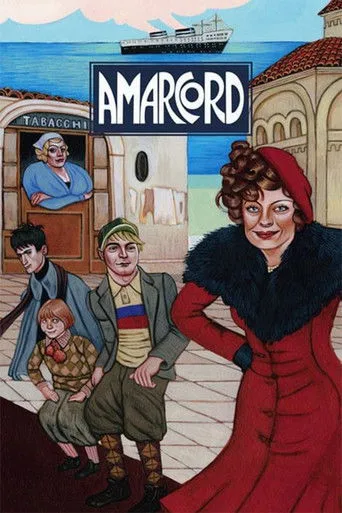
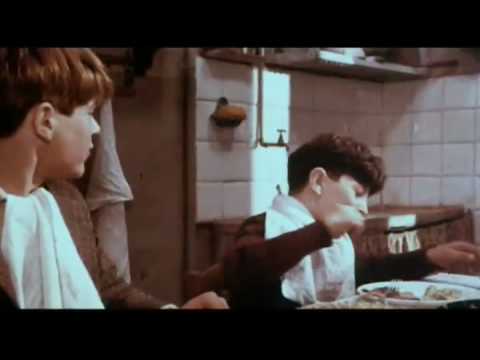
In an Italian seaside town, young Titta gets into trouble with his friends and watches various local eccentrics as they engage in often absurd behavior. Frequently clashing with his stern father and defended by his doting mother, Titta witnesses the actions of a wide range of characters, from his extended family to Fascist loyalists to sensual women, with certain moments shifting into fantastical scenarios.
Starring
Awards
Key opinion
Amarcord is widely celebrated as a kaleidoscopic, nostalgic masterpiece that captures the surreal, humorous, and bittersweet essence of growing up in 1930s Italy. While many viewers are enchanted by its vivid vignettes and emotional warmth, some find the episodic structure and overtly sexualized depictions of adolescence alienating or tiresome.
| Score | Nino Rota’s lively and theatrical score perfectly embodies the Italian spirit and the film’s whimsical tone. | |
| Screenplay | The film succeeds as a masterful, lyrical mosaic of memories, effectively utilizing an episodic structure to evoke the fluid nature of recollection. | |
| Direction | The direction transforms provincial life into a vibrant, imaginative landscape that balances political satire with sentimental affection. | |
| Screenplay | The film’s reliance on subjective memory and vignettes divides viewers; some appreciate the loose, life-affirming flow, while others find the lack of a traditional plot and central protagonist boring or unengaging. | |
| Theme | Opinions on the film's portrayal of childhood sexuality are starkly polarized: proponents see it as an honest, vivid reflection of adolescent longing, while critics perceive it as heavy-handed, excessive, or alienating. |