← Back to results
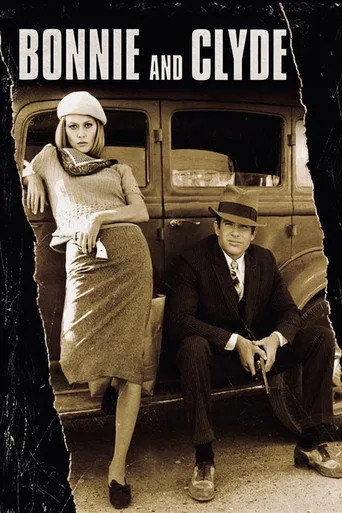
Bonnie and Clyde
1967 111 min United States of America R 18+
★8.5
Crime, Drama
Director: Arthur Penn
Trailers

 EN
EN
 Teaser
 Teaser
 EN
EN
 EN
EN
 EN
EN
 EN
EN
 EN
EN
 EN
EN
 EN
EN
 EN
EN
 EN
EN
 EN
EN
 EN
EN
 EN
EN
Description
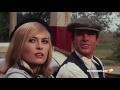
In the 1930s, bored European-American waitress Bonnie Parker falls in love with a European-American ex-con named Clyde Barrow and together they start a violent crime spree through the country, stealing cars and robbing banks.
Budget:
$2.5M
Worldwide:
$70M
Starring
Warren Beatty
Actor
Faye Dunaway
Actor
Michael J. Pollard
Actor
Awards
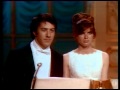
Academy Awards 1968
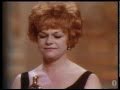
— Best Supporting Actress
BAFTA 1968
— Most Promising Lead Debut
Academy Awards 1968
— Best Cinematography
Academy Awards 1968
— Best Costume Design
Golden Globe 1968
— Best Picture (Drama)
Academy Awards 1968
— Best Picture
Academy Awards 1968
— Best Director
Academy Awards 1968
— Best Supporting Actor
Academy Awards 1968
— Best Actress
Golden Globe 1968
— Best Screenplay
Academy Awards 1968
— Best Actor
Golden Globe 1968
— Best Actress (Drama)
Academy Awards 1968
— Best Supporting Actress
Academy Awards 1968
— Best Original Screenplay
BAFTA 1968
— Most Promising Lead Debut
Academy Awards 1968
— Best Cinematography
Golden Globe 1968
— Best Director
Golden Globe 1968
— Best Debut
Golden Globe 1968
— Best Supporting Actor
Key opinion
Bonnie and Clyde is widely regarded as a landmark of 1960s cinema that revolutionized the gangster genre by blending stylized violence with dark humor and social critique. While it takes significant liberties with historical facts to romanticize its protagonists, the film remains a cultural touchstone for its iconic performances and its capacity to evoke sympathy for its deeply flawed, doomed anti-heroes.
| Acting | Faye Dunaway and Warren Beatty deliver iconic, magnetic performances that anchor the film and define the protagonists' complex chemistry. | |
| Production | The film effectively captures the atmosphere of the Great Depression through period-accurate production design and authentic environmental details. | |
| Direction | Arthur Penn’s vision pushes the boundaries of cinematic storytelling by subverting the moral codes of the era and successfully fusing disparate tones of slapstick comedy and shocking violence. | |
| Adaptation | The screenplay presents a fictionalized, romanticized narrative that deliberately omits or alters historical events to serve the film's thematic focus on youthful rebellion. | |
| Theme | Opinions are divided on the emotional portrayal of the outlaws; while many find them compelling and sympathetic figures of defiance, others argue the film’s romanticization of their crimes is morally unjustified. | |
| Acting | While Estelle Parsons’ performance is recognized for its technical contribution, her portrayal of Blanche is polarized, with some viewers finding her character’s vocal performance grating. |