← Back to results
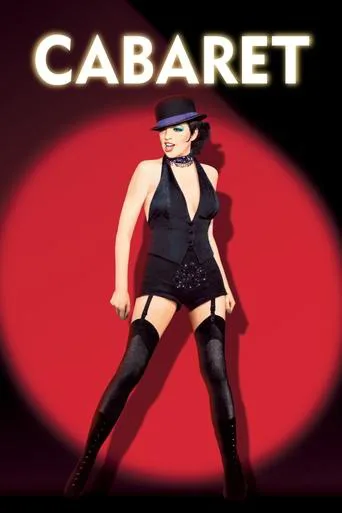
Cabaret
1972 124 min Germany, United States of America PG 16+
★8.5
Music, Romance, Drama
Director: Bob Fosse
🎭 Based on
«Cabaret»
Trailers
 EN
EN
 EN
EN
 EN
EN
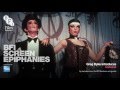 EN
EN
 EN
EN
 EN
EN
 EN
EN
 EN
EN
 EN
EN
 EN
EN
 EN
EN
 EN
EN
 EN
EN
 EN
EN
 EN
EN
 EN
EN
 EN
EN
 EN
EN
 EN
EN
 EN
EN
Description
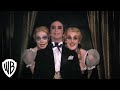
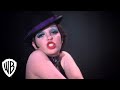
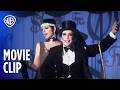
Inside the Kit Kat Club of 1931 Berlin, starry-eyed singer Sally Bowles and an impish emcee sound the clarion call to decadent fun, while outside a certain political party grows into a brutal force.
Budget:
$4.6M
Worldwide:
$42.8M
Starring
Liza Minnelli
Actor
Michael York
Actor
Helmut Griem
Actor
Awards
BAFTA 1973
— Best Director
BAFTA 1973
— Best Cinematography
BAFTA 1973
— Best Production Design
BAFTA 1973
— Best Original Score
BAFTA 1973
— Best Supporting Actress
BAFTA 1973
— Best Breakthrough
BAFTA 1973
— Best Screenplay
BAFTA 1973
— Best Costume Design
BAFTA 1973
— Best Film Editing
Golden Globe 1973
— Best Female Debut
Golden Globe 1973
— Best Director
Academy Awards 1973
— Best Picture
Academy Awards 1973
— Best Supporting Actor
Academy Awards 1973
— Best Actress
Academy Awards 1973
— Best Film Editing
Academy Awards 1973
— Best Sound
Golden Globe 1973
— Best Screenplay
Academy Awards 1973
— Best Cinematography
Academy Awards 1973
— Best Musical Adaptation
Golden Globe 1973
— Best Actress (Comedy or Musical)
Academy Awards 1973
— Best Adapted Screenplay
Golden Globe 1973
— Best Original Song
Academy Awards 1973
— Best Production Design
Academy Awards 1973
— Best Director
BAFTA 1973
— Best Actress
Golden Globe 1973
— Best Picture (Comedy or Musical)
Golden Globe 1973
— Best Supporting Actor
Golden Globe 1973
— Best Supporting Actress
BAFTA 1973
— Best Picture
Key opinion
Cabaret is widely regarded as a masterful, atmospheric exploration of decadence and the rising Nazi threat in 1930s Berlin. While some critics find the narrative secondary to the spectacle, most praise Liza Minnelli’s iconic performance and the film's innovative use of musical numbers to reflect sociopolitical decay.
| Acting | Liza Minnelli delivers an iconic, career-defining performance that serves as the film's emotional and performative anchor. | |
| Direction | Bob Fosse’s direction effectively uses the cabaret stage as a metaphor for society's willful ignorance of the encroaching Nazi regime. | |
| Score | Musical numbers are seamlessly integrated into the narrative, functioning as both entertainment and commentary on the characters' lives. | |
| Production | The film’s production design and cinematography create an immersive, suffocatingly decadent atmosphere of pre-fascist Berlin. | |
| Screenplay | Opinions on the screenplay are divided: supporters value its layered social critique, while detractors find the plot flat and the character arcs underdeveloped. | |
| Pacing | Viewers are split on the narrative structure; some appreciate the deliberate, contemplative pacing, while others find the film excessively long and lacking in sufficient dramatic momentum. | |
| Adaptation | The adaptation’s fidelity is debated, with some viewers preferring the nuance of the stage production over the film's more overt and stylized approach. |