← Back to results
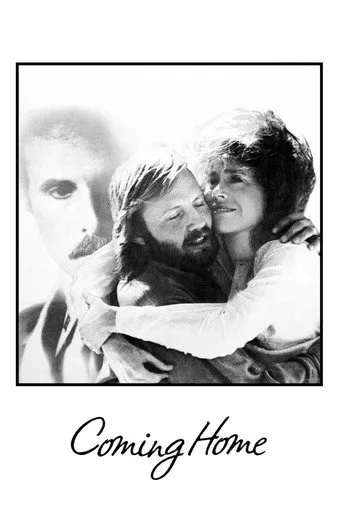
Coming Home
1978 127 min United States of America R 16+
★7.7
Drama, Romance, War
Director: Hal Ashby
Trailers
 EN
EN
 EN
EN
 EN
EN
 EN
EN
Description
In 1968 California, a Marine officer's wife falls in love with a former high school classmate who suffered a paralyzing combat injury in the war.
Budget:
$3M
US Gross:
$32.65M
Worldwide:
$32.65M
Starring
Jane Fonda
Actor
Jon Voight
Actor
Bruce Dern
Actor
Awards
Cannes Film Festival 1978
— Silver Award – Best Actor
Academy Awards 1979
— Best Actor
Golden Globe 1979
— Best Actor (Drama)
Academy Awards 1979
— Best Actor
Golden Globe 1979
— Best Actor (Drama)
Academy Awards 1979
— Best Supporting Actress
Golden Globe 1979
— Best Picture (Drama)
Academy Awards 1979
— Best Screenplay
Golden Globe 1979
— Best Actress (Drama)
Academy Awards 1979
— Best Picture
Academy Awards 1979
— Best Actress
Golden Globe 1979
— Best Director
Golden Globe 1979
— Best Screenplay
Academy Awards 1979
— Best Director
Golden Globe 1979
— Best Supporting Actor
Cannes Film Festival 1978
— Palme d'Or
Key opinion
Coming Home is widely regarded as a seminal, emotionally resonant anti-war drama that prioritizes the psychological aftermath of the Vietnam War over traditional combat spectacle. While some critics argue that later films offer a more visceral or honest portrayal, the consensus celebrates its character-driven approach and its focus on personal transformation and social protest.
| Acting | The central performances by Jane Fonda and John Voight provide a deeply empathetic anchor that carries the film's emotional weight. | |
| Direction | Hal Ashby’s direction effectively uses the background of the Vietnam War to explore the internal trauma and moral awakening of his characters rather than focusing on battlefield action. | |
| Theme | The film is a foundational work of New Hollywood, successfully channeling contemporary counter-cultural sentiments into a critique of war and patriotic dogma. | |
| Score | The soundtrack, featuring era-defining artists like The Rolling Stones and Bob Dylan, serves as a powerful atmospheric device to ground the film in its 1960s context. | |
| Culture | Opinions on the film's legacy are divided: some view it as a definitive and moving protest film, while others feel it is polished and 'polite' compared to later, harder-hitting works like 'Born on the Fourth of July'. |