Trailers

Description
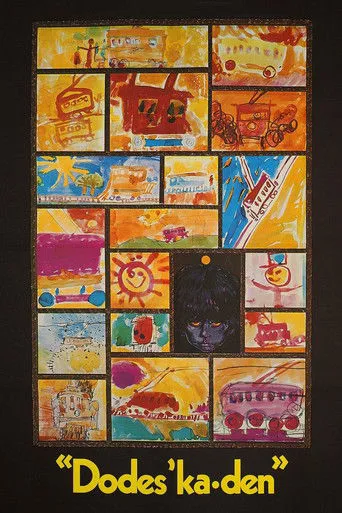
On a Tokyo dump’s shantytown edge, interwoven vignettes follow residents scraping by: a boy who “drives” an imaginary trolley, a homeless father and son designing a dream house, a young woman brutalized at home, drunks, schemers, and saints of small kindnesses. Kurosawa crafts a ragged mosaic of hardship, fantasy, and flickers of grace that keep people moving forward.
Starring
Awards
Key opinion
Dodes'ka-den marks a bold, experimental pivot for Kurosawa, utilizing vibrant color to depict the grim, episodic lives of slum dwellers living in a metaphorical wasteland. While some critics praise it as a daring, meditative look at human nature and moral decay, others find the lack of a traditional narrative and the grotesque characterizations difficult or unrewarding to watch.
| Cinematography | The film utilizes striking, saturated color palettes to create a vivid and daring visual departure from the director’s previous black-and-white works. | |
| Screenplay | The narrative structure is intentionally fragmented and lacks a central plot, forcing a meditation on life rather than a character-driven arc. | |
| Originality | Character depictions lean into the grotesque and unsympathetic, leaving some viewers alienated by the residents of the slum. | |
| Theme | The film functions as a stark, philosophical examination of poverty and moral decay, often drawing comparisons to Gorky’s 'The Lower Depths'. |