
Trailers
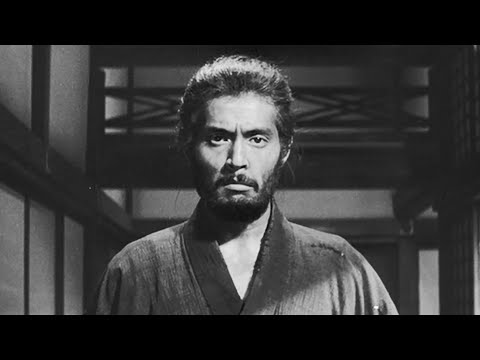
Description
Down-on-his-luck veteran Tsugumo Hanshirō enters the courtyard of the prosperous House of Iyi. Unemployed, and with no family, he hopes to find a place to commit seppuku—and a worthy second to deliver the coup de grâce in his suicide ritual. The senior counselor for the Iyi clan questions the ronin’s resolve and integrity, suspecting Hanshirō of seeking charity rather than an honorable end. What follows is a pair of interlocking stories which lay bare the difference between honor and respect, and promises to examine the legendary foundations of the Samurai code.
Starring
Awards
Key opinion
Masaki Kobayashi’s Harakiri is widely regarded as a profound masterpiece that deconstructs the hypocrisy of feudal honor codes through a meticulous and gripping narrative. While it maintains a deliberate, contemplative pace, the film is consistently praised for its striking visual composition and powerful, emotionally resonant critique of societal rituals.
| Theme | The film employs a sharp, critical lens to expose the hollowness of rigid samurai bushido, contrasting formal rituals with genuine human morality. | |
| Cinematography | The stark, high-contrast cinematography and innovative framing perfectly elevate the film’s psychological tension and theatrical intensity. | |
| Acting | The lead performance captures a commanding and charismatic presence that serves as the emotional anchor for the film’s complex narrative. | |
| Screenplay | The nested, dialogue-heavy narrative structure masterfully builds suspense, transforming what could be a static setting into a gripping puzzle. | |
| Pacing | The film utilizes a deliberate, slow-building tempo that provides deep atmospheric immersion for some, though it may feel demanding to viewers expecting constant action. |