← Back to results
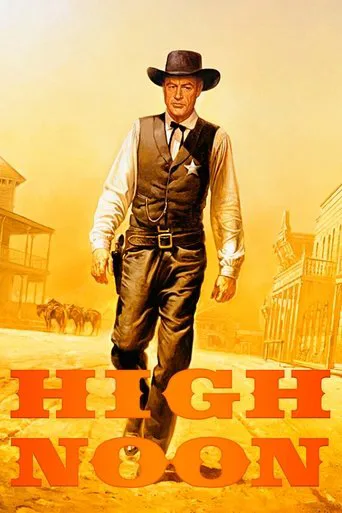
High Noon
1952 85 min United States of America PG 12+
★8.5
Western, Drama, Thriller
Director: Fred Zinnemann
Trailers
 EN
EN
 EN
EN
 EN
EN
 EN
EN
 EN
EN
 EN
EN
 EN
EN
 EN
EN
 EN
EN
 EN
EN
 EN
EN
Description
Will Kane, the sheriff of a small town in New Mexico, learns a notorious outlaw he put in jail has been freed, and will be arriving on the noon train. Knowing the outlaw and his gang are coming to kill him, Kane is determined to stand his ground, so he attempts to gather a posse from among the local townspeople.
Budget:
$730,000
Worldwide:
$8M
Starring
Gary Cooper
Actor
Grace Kelly
Actor
Thomas Mitchell
Actor
Awards
Academy Awards 1953
— Best Film Editing
Academy Awards 1953
— Best Actor
Academy Awards 1953
— Best Original Song
Golden Globe 1953
— Best Screenplay
Academy Awards 1953
— Best Score for a Drama or Comedy
Golden Globe 1953
— Best Female Debut
Golden Globe 1953
— Best Picture (Drama)
Academy Awards 1953
— Best Director
Academy Awards 1953
— Best Adapted Screenplay
Golden Globe 1953
— Best Actor (Drama)
Golden Globe 1953
— Best Original Score
Golden Globe 1953
— Best Supporting Actress
Golden Globe 1953
— Best Cinematography (Black and White)
Academy Awards 1953
— Best Picture
Key opinion
High Noon is widely regarded as a seminal, transformative Western that trades traditional genre spectacle for a tense, real-time moral drama about civic duty and individual courage. While most critics celebrate its psychological depth and influence, a minority of modern viewers find the pacing slow and the moralizing tone dated.
| Acting | Gary Cooper provides a defining, nuanced performance that anchors the film through his portrayal of the sheriff's inner conflict and desperate resolve. | |
| Pacing | The real-time, ticking-clock narrative structure masterfully builds psychological suspense and tension as the anticipated arrival of the villain nears. | |
| Theme | The film effectively serves as a social allegory for the McCarthy-era political climate, using the town's abandonment of the hero to explore themes of hypocrisy and collective cowardice. | |
| Cinematography | High-contrast cinematography and tight editing create a distinct, minimalist aesthetic that sets the film apart from more traditional, action-heavy Westerns. | |
| Pacing | The film's deliberate, contemplative tempo is praised by many as essential to its tension, while others argue it makes the relatively short runtime feel sluggish and overly moralistic. | |
| Screenplay | While lauded as a revolutionary masterpiece by critics and historical institutions, some contemporary audiences perceive the narrative as simplistic or overly didactic. |