Trailers
Description
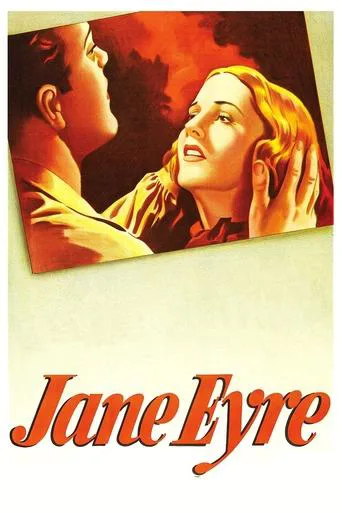
After a bleak childhood, Jane Eyre goes out into the world to become a governess. As she lives happily in her new position at Thornfield Hall, she meets the dark, cold, and abrupt master of the house, Edward Rochester. Jane and her employer grow close in friendship and she soon finds herself falling in love with him. Happiness seems to have found Jane at last, but could Rochester's terrible secret be about to destroy it forever?
Starring
Awards
Key opinion
This 1943 adaptation of Jane Eyre is a polarizing yet stylish piece of Gothic cinema that prioritizes atmosphere and visual flair over strict literary fidelity. While many critics praise the moody cinematography and strong performances from the younger cast, others find the significant departures from Brontë's plot and the stylistic choices regarding the lead characters to be reductive or disappointing.
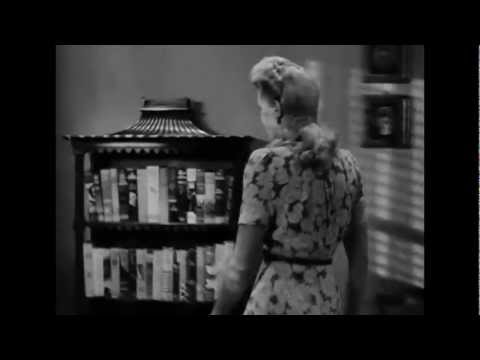
| Cinematography | The film utilizes striking monochrome cinematography and gothic lighting to evoke a powerful, noir-adjacent atmosphere. | |
| Score | Bernard Herrmann’s score provides an effective, evocative foundation that bolsters the film's tense and moody tone. | |
| Acting | Peggy Ann Garner delivers a definitive, naturalistic portrayal of young Jane Eyre that stands as a highlight of the cast. | |
| Adaptation | The script draws heavy criticism for its simplified, cartoonish depictions of supporting villains and the heavy-handed omission of key characters like the Rivers family. | |
| Acting | Opinions on Orson Welles' Rochester are divided; some praise his 'carnal charm' and 'grotesquely gothic' presence, while others argue he lacks the character's essential misanthropy and feels disconnected from the source material. | |
| Runtime | The 95-minute runtime is a point of contention, with some viewing it as an efficient period drama and others finding it too constrained to properly adapt the novel's depth. |