Trailers
 EN
EN
 EN
EN
 EN
EN
Description
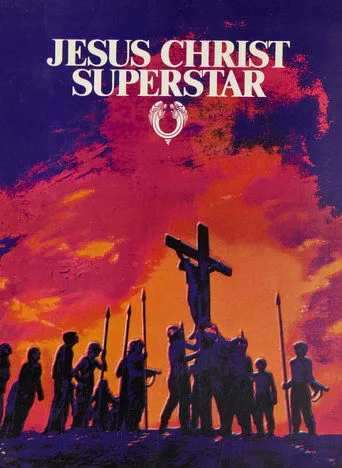
As played out by a theatre troupe, the last days of Jesus Christ are depicted from the perspective of Judas Iscariot, his betrayer. As Jesus' following increases, Judas begins to worry that Jesus is falling for his own hype, forgetting the principles of his teachings and growing too close to the prostitute Mary Magdalene.
Starring
Awards
Key opinion
Norman Jewison’s 1973 adaptation of Jesus Christ Superstar is widely regarded as a visually inventive and iconic companion to the original rock opera, though it remains divisive for its departures from the source material. While the film is praised for its bold directorial choices and the performance of Carl Anderson as Judas, viewers are deeply split on whether the vocal performances and the interpretation of Jesus successfully capture the spirit of the iconic album.
| Acting | Carl Anderson delivers a universally acclaimed, emotionally powerful performance as Judas, standing out as the film's strongest acting contribution. | |
| Production | The integration of modern imagery, such as tanks and planes, creates a striking and effective visual style that enhances the film's thematic resonance. | |
| Acting | The musical performances, particularly those of Ted Neeley and the supporting cast, are frequently criticized as inferior to the vocal power and energy of the original 1970 studio album. | |
| Theme | Opinions on the film's core interpretation of Jesus are polarized, with some finding his vulnerable, human portrayal deeply moving while others feel it renders him weak and lacking in impact. | |
| Adaptation | The film functions best as a visual companion to the music rather than a standalone musical, with its fidelity to the original stage experience being a frequent point of contention. |