Trailers
 EN
EN
 EN
EN
Description
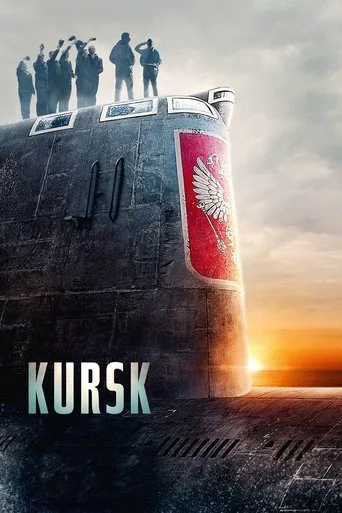
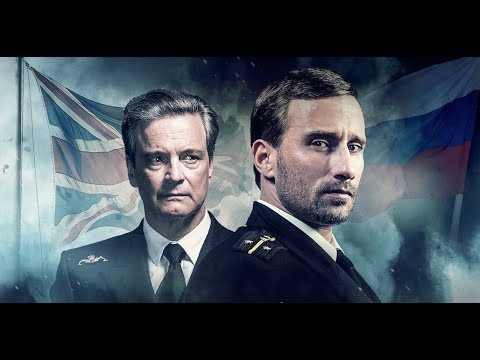
Barents Sea, August 12th, 2000. During a Russian naval exercise, and after suffering a serious accident, the K-141 Kursk submarine sinks with 118 crew members on board. While the few sailors who are still alive barely manage to survive, their families push for accurate information and a British officer struggles to obtain from the Russian government a permit to attempt a rescue before it is late. But general incompetence are against all their efforts.
Starring
Key opinion
The film Kursk is widely polarized, with critics and audiences divided over its handling of a real-life national tragedy. While some appreciate its atmospheric visuals and emotional focus on the families of the victims, many condemn the film for its historical inaccuracies, clichéd characterizations, and perceived western bias.
| Cinematography | The cinematography and visual depiction of the submarine interiors provide a technically impressive and immersive spectacle. | |
| Acting | The performances, particularly from a high-profile international cast, are frequently described as flat, unconvincing, and lacking in distinct character depth. | |
| Screenplay | The film is criticized for relying on cultural stereotypes and a shallow, repetitive narrative that lacks emotional resonance or historical credibility. | |
| Pacing | The film’s pacing is viewed by many as sluggish and disjointed, failing to build necessary tension or effectively manage the transition between drama and disaster. | |
| Culture | Opinions are divided on the film's political framing: some praise its critique of bureaucratic indifference toward the tragedy, while others reject it as a biased, propagandistic distortion that disrespects the victims. |