Trailers
 EN
EN
 EN
EN
 EN
EN
Description
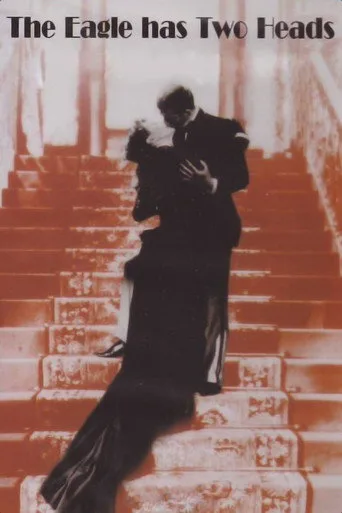
Political intrigue and psychological drama run parallel. The queen is in seclusion, veiling her face for the ten years since her husband's assassination, longing to join him in death. Stanislas, a poet whose pen name is Azrael, is a suicidal anarchist, his imagination haunted into hate by longing for this queen who's drawn apart. He enters her private quarters intent on killing her then himself, but they fall in love, in part because he looks like the king. Stanislas wants her to regain political power by appearing to the public, and she tries to convince him to find hope and escape. All the while, the queen's enemies plot to keep the lovers together but to thwart their plans.
Starring
Awards
Key opinion
Cocteau’s adaptation of his own play presents a visually striking but highly stylized exploration of doomed romance and regal isolation. While praised for its aesthetic atmosphere and historical resonance, the film is criticized for its artificiality and a protagonist whose dramatic presence is undermined by the director's preoccupation with aesthetic artifice.
| Production | The production design, including costumes and castle settings, creates a visually stunning and immersive atmosphere. | |
| Culture | The film succeeds in layering its fictional narrative with evocative historical parallels to figures like Ludwig II and Empress Sisi. | |
| Theme | The thematic focus on the transient nature of life and dignity creates a profound, romantic meditation on tragedy. | |
| Originality | The film's tone is perceived as artificial, with the stylistic focus occasionally overshadowing the raw human drama. | |
| Acting | The portrayal of the lead male character is divisive; some see a poetic exploration of artistic sensitivity, while others find the performance weak and disconnected from the narrative’s stakes. |