← Back to results

L'Avventura
L'avventura
1960 144 min France, Italy 16+
★7.9
Drama, Mystery, Romance
Director: Michelangelo Antonioni
Trailers
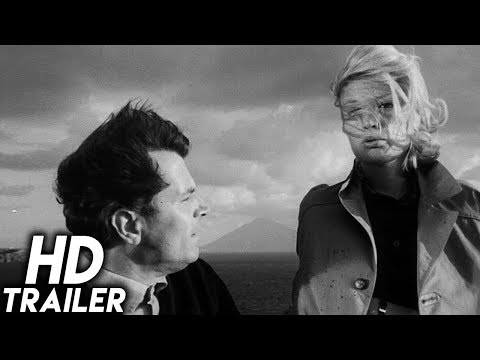
 EN
EN
 EN
EN
Description
Claudia and Anna join Anna's lover, Sandro, on a boat trip to a remote volcanic island. When Anna goes missing, a search is launched. In the meantime, Sandro and Claudia become involved in a romance despite Anna's disappearance, though the relationship suffers from guilt and tension.
Starring
Gabriele Ferzetti
Actor
Monica Vitti
Actor
Lea Massari
Actor
Awards
Cannes Film Festival 1960
— Jury Prize
BAFTA 1961
— Best International Actress
Cannes Film Festival 1960
— Palme d'Or
BAFTA 1961
— Best Picture
Key opinion
L'avventura is widely regarded as a revolutionary masterpiece that redefined cinematic language by prioritizing internal psychological states over traditional narrative progression. While some viewers find its meditative, plot-defying structure and lack of resolution frustrating, most critics and audiences laud its profound exploration of existential alienation, social decay, and the futility of human connection.
| Direction | Antonioni establishes a groundbreaking cinematic language that prioritizes visual metaphors, gesture, and environmental framing over conventional dialogue and plot. | |
| Acting | Monica Vitti delivers a compelling and humanizing performance that grounds the film's existential exploration and provides a necessary emotional anchor. | |
| Theme | The film functions as an effective, non-judgmental critique of bourgeois social rituals, emotional apathy, and the spiritual void of the elite. | |
| Screenplay | The unresolved disappearance of the lead character brilliantly subverts mystery tropes, shifting the focus from external investigation to internal character decay. | |
| Production | The stark, barren landscapes are masterfully utilized to mirror the protagonists' isolation and create a haunting, meditative atmosphere. | |
| Pacing | The contemplative, slow-burning pace rewards patient viewers who engage with the film's introspective nature, but alienates those seeking traditional narrative momentum. |