Trailers
 EN
EN
 EN
EN
Description
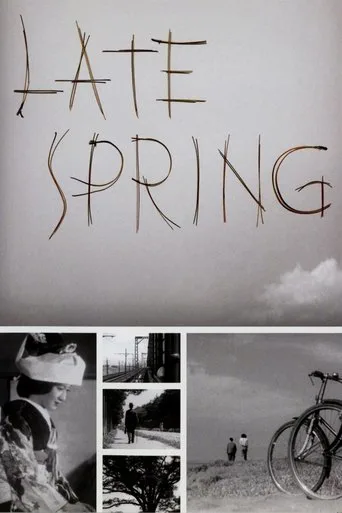
Noriko is perfectly happy living at home with her widowed father, Shukichi, and has no plans to marry -- that is, until her aunt Masa convinces Shukichi that unless he marries off his 27-year-old daughter soon, she will likely remain alone for the rest of her life. When Noriko resists Masa's matchmaking, Shukichi is forced to deceive his daughter and sacrifice his own happiness to do what he believes is right.
Starring
Awards
Key opinion
Late Spring is widely celebrated as a masterwork of human emotion, lauded for its ability to transform the mundane details of post-war Japanese life into a universally resonant experience. Ozu’s minimalist aesthetic and measured pacing create an intimate, meditative space that effectively conveys the bittersweet complexities of familial duty and change.
| Direction | Ozu’s minimalist style and static low-angle compositions create a profound sense of spiritual closeness and inner intimacy with the characters. | |
| Screenplay | The narrative achieves universal emotional impact by stripping away artifice, focusing exclusively on essential character beats and relatable domestic dynamics. | |
| Acting | Setsuko Hara delivers an outstanding performance, effectively grounding the character’s struggle between filial devotion and the fear of personal change. | |
| Pacing | The film’s quiet, contemplative pacing is praised as a perfect vehicle for the story's development, though it reflects a deliberate rejection of traditional Western dramatic climaxes. | |
| Theme | While most find the film's nuanced look at domestic transition deeply moving, perspectives diverge on the father’s role; some view his actions as a selfless act of parental love, while others interpret his manipulation as a manifestation of jealousy and incompetence. |