← Back to results
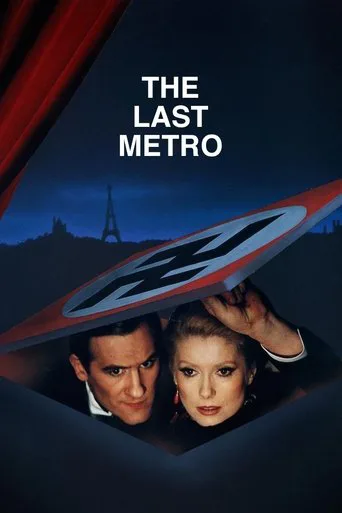
The Last Metro
Le Dernier Métro
1980 131 min France PG 16+
★7.8
Drama, Romance, War
Director: François Truffaut
Trailers
Description
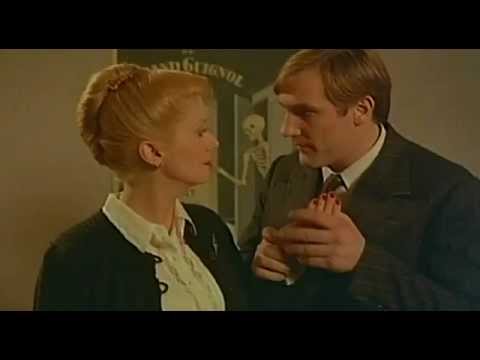
In occupied Paris, an actress wed to a Jewish theater owner must keep him hidden from the Nazis while doing both of their jobs.
US Gross:
$3.01M
Starring
Catherine Deneuve
Actor
Gérard Depardieu
Actor
Jean Poiret
Actor
Awards
César Awards 1981
— Best Sound
César Awards 1981
— Best Screenplay
César Awards 1981
— Best Cinematography
César Awards 1981
— Best Picture
César Awards 1981
— Best Actor
César Awards 1981
— Best Production Design
César Awards 1981
— Best Actress
César Awards 1981
— Best Supporting Actor
César Awards 1981
— Best Director
César Awards 1981
— Best Original Score
César Awards 1981
— Best Film Editing
César Awards 1981
— Best Supporting Actress
Academy Awards 1981
— Best International Feature Film
Golden Globe 1981
— Best International Feature Film
Key opinion
François Truffaut’s "The Last Metro" is widely regarded as a masterful, atmospheric tribute to the power of theater as a refuge during the Nazi occupation of Paris. While some viewers find its bourgeois portrayal of the era slightly detached, the consensus celebrates its profound character studies and the compelling central performances of Catherine Deneuve and Gérard Depardieu.
| Acting | Catherine Deneuve and Gérard Depardieu deliver powerful, anchoring performances that elevate the film’s emotional core. | |
| Production | The production design and atmospheric cinematography effectively capture the claustrophobic tension and creative spirit of the backstage environment. | |
| Theme | The film succeeds as a thoughtful meditation on the role of art and theater as a form of subtle resistance against political oppression. | |
| Ending | The final scenes provoke disagreement: some find the shift in tone and the abrupt narrative twist deeply moving, while others feel the ending is jarring or contrived. | |
| Culture | The film’s historical perspective is polarizing; some praise its nuanced portrayal of wartime survival, while others critique it for being overly complacent or bourgeois in its depiction of life under occupation. |