← Back to results
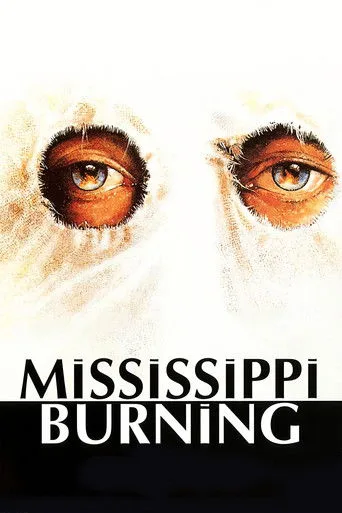
Mississippi Burning
1988 128 min United States of America R 16+
★8.1
Drama, Crime, Mystery, Thriller
Director: Alan Parker
Trailers
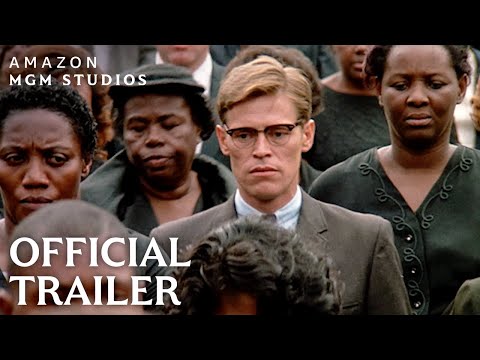
 EN
EN
 EN
EN
 EN
EN
 EN
EN
Description
Two FBI agents investigating the murder of civil rights workers during the 60s seek to breach the conspiracy of silence in a small Southern town where segregation divides black and white. The younger agent trained in FBI school runs up against the small town ways of his partner, a former sheriff.
Budget:
$15M
US Gross:
$34.6M
Worldwide:
$34.6M
Starring
Gene Hackman
Actor
Willem Dafoe
Actor
Frances McDormand
Actor
Awards
BAFTA 1990
— Best Cinematography
BAFTA 1990
— Best Sound
BAFTA 1990
— Best Film Editing
BAFTA 1990
— Best Film Editing
Golden Globe 1989
— Best Director
Golden Globe 1989
— Best Screenplay
BAFTA 1990
— Best Original Score
Berlin International Film Festival 1989
— Silver Bear – Best Actor
Academy Awards 1989
— Best Cinematography
Academy Awards 1989
— Best Picture
Academy Awards 1989
— Best Sound
Academy Awards 1989
— Best Actor
Academy Awards 1989
— Best Supporting Actress
Academy Awards 1989
— Best Director
Academy Awards 1989
— Best Film Editing
Golden Globe 1989
— Best Picture (Drama)
Golden Globe 1989
— Best Actor (Drama)
Berlin International Film Festival 1989
— Golden Bear
Key opinion
Mississippi Burning is widely regarded as a powerful, unflinching examination of systemic racism and civil rights-era violence in the American South. While praised for its gritty realism and strong lead performances, the film is occasionally debated for its ideological bias and departure from historical nuance.
| Acting | Gene Hackman delivers a captivating, layered performance that acts as the film's emotional anchor. | |
| Cinematography | The cinematography effectively constructs a menacing, authentic atmosphere that underscores the period's racial tension. | |
| Direction | Alan Parker’s direction successfully maintains high narrative tension through a gritty, non-sentimental approach to violence. | |
| Theme | The film is a potent, uncompromising exploration of institutionalized hate and the moral responsibilities of the individual. | |
| Adaptation | Opinions on the narrative approach are divided: some praise the film as a brave, necessary exposé of injustice, while others critique it for functioning as one-sided, ideologically driven propaganda. |