Trailers

Description
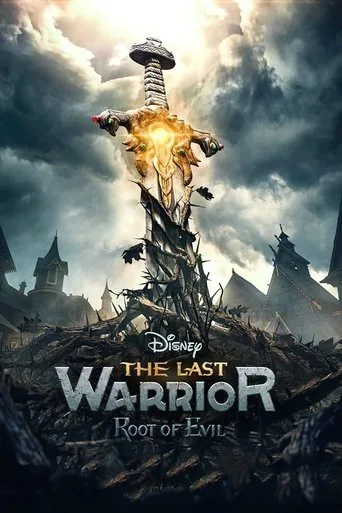
Peace and tranquility have set in Belogorie. The evil was defeated and Ivan is now enjoying his well-deserved fame. He is surrounded by his family, friends and small wonders from the modern world that help him lead a comfortable life. Luckily, he has his Magic Sword to cut a gap between the worlds to get some supplies quite regularly. But when an ancient evil rises and the existence of the magic world is put to danger, Ivan has to team up with his old friends and his new rivals. They will set out on a long journey beyond the known world to find a way to defeat the enemies and to return peace to Belogorie.
Starring
Awards
Key opinion
The Last Bogatyr: The Root of Evil is generally regarded as a polished, visually ambitious family adventure that successfully blends Slavic folklore with Western cinematic tropes. While the film is praised for its stunning natural landscapes and charming character dynamics, it is frequently criticized for a predictable, unpolished screenplay and inconsistent CGI quality.
| Cinematography | The film features breathtaking cinematography that effectively showcases the diverse and mystical natural beauty of the Russian landscape. | |
| Acting | The performances from the lead cast are widely considered to be well-executed and well-suited to their respective roles, grounding the fantasy elements. | |
| Screenplay | Opinions on the screenplay are divided: some viewers find the simple, mythic structure fitting for a family fairy tale, while others criticize the plot as predictable, incoherent, and prone to logical inconsistencies. | |
| Production | The integration of CGI is a point of contention, with praise for the ambitious scope of the world-building countered by frequent complaints about the "cartoony" and unfinished look of certain digital characters and creatures. | |
| Humor | The humor fails to consistently resonate, with reviewers split between those who enjoy the ironic, self-aware quips and those who find the jokes forced or insufficiently clever for an adult audience. | |
| Score | The choice of music is widely panned for its anachronistic, Western-style pop and rap influences, which many feel clash awkwardly with the traditional Slavic setting. |