← Back to results
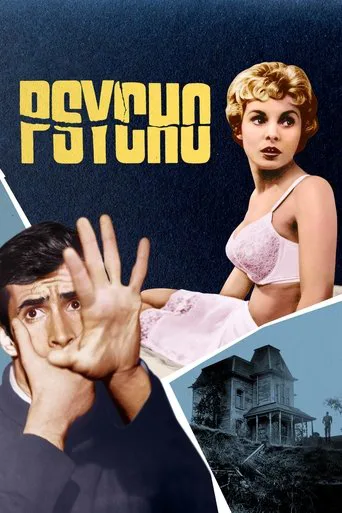
Psycho
1960 109 min United States of America R 18+
★9.0
Horror, Thriller, Mystery
Director: Alfred Hitchcock
🎭 Based on
«Psycho»
byRobert Bloch
Trailers
 EN
EN
 EN
EN
 EN
EN
 EN
EN
 Teaser
Description
When larcenous real estate clerk Marion Crane goes on the lam with a wad of cash and hopes of starting a new life, she ends up at the notorious Bates Motel, where manager Norman Bates cares for his housebound mother.
Budget:
$1,999
US Gross:
$32.18M
Worldwide:
$2,007
Starring
Anthony Perkins
Actor
Janet Leigh
Actor
Vera Miles
Actor
Awards
Golden Globe 1961
— Best Supporting Actress
Academy Awards 1961
— Best Supporting Actress
Academy Awards 1961
— Best Cinematography (Black and White)
Academy Awards 1961
— Best Director
Academy Awards 1961
— Best Production Design (Black and White)
Key opinion
Alfred Hitchcock's Psycho is widely regarded as a foundational masterpiece of suspense, praised for its groundbreaking direction and psychological depth. While most viewers laud its atmospheric tension and iconic performances, some modern audiences find the pacing deliberate and certain narrative elements dated.
| Score | Bernard Herrmann's jarring, iconic score is essential to building the film's relentless sense of dread and anxiety. | |
| Acting | Anthony Perkins delivers a layered, definitive performance as Norman Bates, effectively capturing the character's unsettling and complex duality. | |
| Direction | Hitchcock’s direction and precise framing successfully create an oppressive, atmospheric tension that remains influential to the thriller genre. | |
| Cinematography | The film's black-and-white cinematography is masterful, utilizing iconic visual compositions to amplify suspense without the need for graphic gore. | |
| Pacing | While many find the tension masterful, others feel the pacing is slow and the narrative build-up towards the climax takes too long to unfold. | |
| Screenplay | Opinions on the screenplay are divided; some praise its sophisticated psychological insights, while others view the secondary character motivations and final explanatory scenes as clunky or unrealistic. |