← Back to results
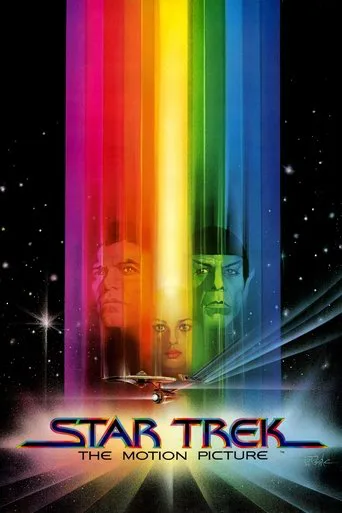
Star Trek: The Motion Picture
1979 131 min United States of America G 12+
★6.6
Science Fiction, Adventure, Mystery
Director: Robert Wise
🎭 Based on
«In Thy Image»
byHarold Livingston
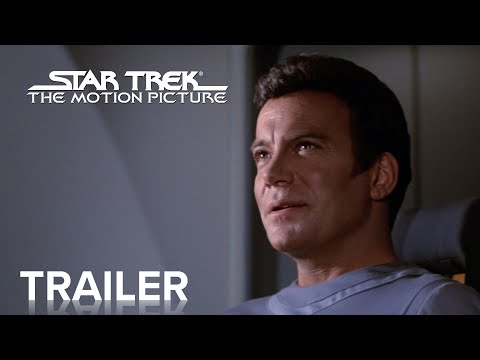
Trailers
 EN
EN
 EN
EN
 Teaser
 Teaser
 EN
EN
 EN
EN
 EN
EN
 EN
EN
 EN
EN
 EN
EN
 EN
EN
 EN
EN
Description
When an unidentified alien destroys three powerful Klingon cruisers, Captain James T. Kirk returns to the newly transformed U.S.S. Enterprise to take command.
Budget:
$44M
US Gross:
$82.6M
Worldwide:
$139.35M
Starring
William Shatner
Actor
Leonard Nimoy
Actor
DeForest Kelley
Actor
Awards
Saturn Awards 1980
— Best Visual Effects
Saturn Awards 1980
— Best Director
Saturn Awards 1980
— Best Supporting Actor
Academy Awards 1980
— Best Visual Effects
Academy Awards 1980
— Best Original Score
Golden Globe 1980
— Best Original Score
Saturn Awards 2002
— Best DVD Edition of a Classic Film
Saturn Awards 1980
— Best Visual Effects
Saturn Awards 1980
— Best Science Fiction Film
Saturn Awards 1980
— Best Actor
Saturn Awards 1980
— Best Actress
Saturn Awards 1980
— Best Costume Design
Saturn Awards 1980
— Best Original Score
Saturn Awards 1980
— Best Makeup and Hairstyling
Saturn Awards 1980
— Best Supporting Actress
Key opinion
Star Trek: The Motion Picture is a divisive, cerebral entry in the franchise that favors meditative exploration and philosophical inquiry over traditional action. While fans of the original series and classic sci-fi often appreciate its visual scale and character depth, many viewers find the pacing excessively slow and the extended special effects sequences tedious.
| Theme | The film functions as a mature, intellectual expansion of the television series that prioritizes philosophical themes like purpose and consciousness over spectacle. | |
| Acting | The return of the original television cast provides a sense of nostalgic comfort and maintains consistent, well-developed dynamics between the crew members. | |
| Score | Jerry Goldsmith’s grand, atmospheric score provides a sense of scale that effectively complements the film's meditative, space-opera tone. | |
| Production | Production design and visual effects, while occasionally dated, successfully establish a grand, retro-futuristic aesthetic that captures the sense of wonder in space exploration. | |
| Pacing | The extremely deliberate, contemplative pace divides audiences, with some viewers finding it profound and immersive, while others view it as tedious and exhausting. | |
| Screenplay | The narrative’s reliance on extensive exposition and sluggish sequences causes the film to struggle as an engaging adventure, leading to criticism from those accustomed to faster-paced sci-fi. |