← Back to results
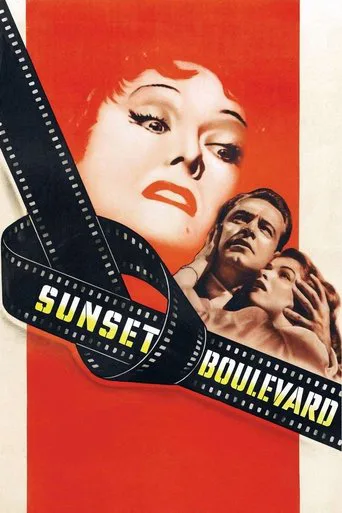
Sunset Boulevard
1950 110 min United States of America 16+
★9.1
Drama
Director: Billy Wilder
Trailers

 EN
EN
 EN
EN
 Teaser
 EN
EN
 EN
EN
 EN
EN
 EN
EN
 EN
EN
 EN
EN
Description
A hack screenwriter writes a screenplay for a former silent film star who has faded into Hollywood obscurity.
Budget:
$1.75M
US Gross:
$299,645
Worldwide:
$5M
Starring
William Holden
Actor
Gloria Swanson
Actor
Erich von Stroheim
Actor
Awards
Golden Globe 1951
— Best Director
Golden Globe 1951
— Best Picture (Drama)
Academy Awards 1951
— Best Screenplay
Academy Awards 1951
— Best Screenplay
Golden Globe 1951
— Best Screenplay
Golden Globe 1951
— Best Actress (Drama)
Golden Globe 1951
— Best Original Score
Academy Awards 1951
— Best Film Editing
Academy Awards 1951
— Best Director
Academy Awards 1951
— Best Cinematography (Black and White)
Golden Globe 1951
— Best Supporting Actor
Academy Awards 1951
— Best Production Design (Black and White)
Academy Awards 1951
— Best Score for a Drama or Comedy
Academy Awards 1951
— Best Picture
Academy Awards 1951
— Best Actor
Academy Awards 1951
— Best Actress
Academy Awards 1951
— Best Supporting Actor
Academy Awards 1951
— Best Supporting Actress
Key opinion
Sunset Boulevard is widely regarded as a masterful, cynical critique of Hollywood that expertly navigates the intersection of vanity, decay, and the transition from silent to sound cinema. While the vast majority of critics praise its bold performances and sharp screenplay, a small minority finds the narrative's lack of traditional noir intensity or its predictable structure underwhelming.
| Acting | Gloria Swanson delivers a chilling, nuanced performance that effectively blurs the lines between her own real-life history and the fictional persona of Norma Desmond. | |
| Direction | Billy Wilder’s direction shifts effectively from his usual comedic style to a ruthless, tragic examination of the film industry’s exploitative nature. | |
| Screenplay | The screenplay is lauded for its biting dialogue and its ability to explore universal human themes of vanity, obsession, and the psychological cost of fame. | |
| Production | The film features atmospheric, expressive black-and-white cinematography and effective editing that successfully evoke the stagnation and decay of the iconic mansion setting. | |
| Pacing | Opinions on the narrative structure are divided; some praise the reverse chronology as an innovative, compelling choice, while others feel that revealing the ending immediately removes necessary suspense and emotional impact. |