Trailers
Description
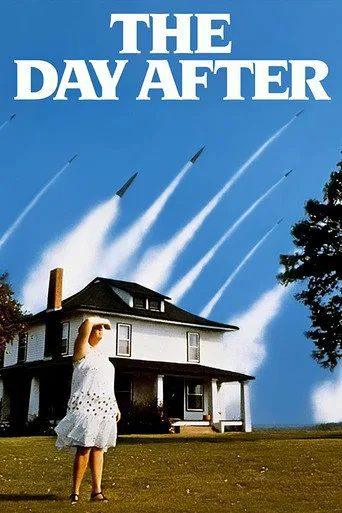
In the mid-1980s, the U.S. is poised on the brink of nuclear war. This shadow looms over the residents of a small town in Kansas as they continue their daily lives. Dr. Russell Oakes maintains his busy schedule at the hospital, Denise Dahlberg prepares for her upcoming wedding, and Stephen Klein is deep in his graduate studies. When the unthinkable happens and the bombs come down, the town's residents are thrust into the horrors of nuclear winter.
Starring
Awards
Key opinion
The Day After is widely regarded as a harrowing and essential cautionary tale that effectively captures the Cold War-era dread of nuclear annihilation through its focus on ordinary lives. While some viewers note that its visual effects and realism are softened compared to more modern or brutal alternatives, the film remains a powerful, emotionally resonant piece of social commentary.
| Emotion | The film succeeds as a powerful cautionary statement, leaving a lasting psychological impact that forces viewers to confront the reality of nuclear conflict. | |
| Direction | Nicholas Meyer’s direction is consistently praised for balancing the logistical scale of nuclear exchange with the human scale of the civilian experience. | |
| Acting | Jason Robards and the supporting cast deliver grounded, naturalistic performances that humanize the tragedy. | |
| Theme | While the narrative effectively portrays the suddenness of the strike, opinions are split on whether it depicts the aftermath with enough brutal realism or if it intentionally softens the consequences to remain palatable. | |
| Production | The production quality and visual effects are viewed as modest or outdated by modern standards, yet they remain functional and impactful enough to serve the story's intent. |