Trailers
 EN
EN
 EN
EN
Description
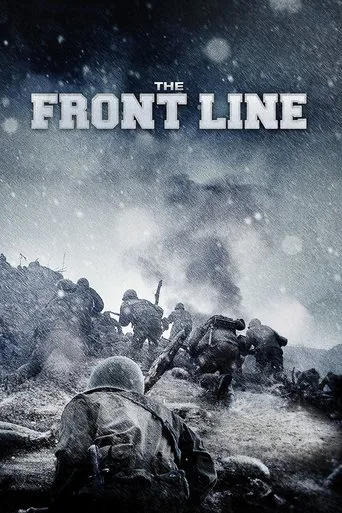
In 1951 ceasefire is declared, but two remaining armies fought their final battle on the front line Towards the end of the Korean War, a South Korean battalion is fiercely battling over a hill on the front line border against the North in order to capture a strategic point that would determine the new border between two nations. The ownership of this small patch of land would swap multiple times each day. Kang is dispatched to the front line in order to investigate the tacit case that’s been happening there.
Starring
Awards
Key opinion
The Front Line is widely regarded as a powerful, somber anti-war film that eschews patriotic tropes in favor of an objective, humanistic look at the Korean War. While most critics praise its brutal realism and character-driven narrative, a minority find certain plot elements and depictions of combat to be exaggerated or stylistically uneven.
| Theme | The narrative effectively portrays the moral ambiguity of the conflict, focusing on the humanity of soldiers on both sides rather than black-and-white caricatures. | |
| Cinematography | The visual presentation uses a desaturated, grim palette that successfully underscores the bleak and oppressive atmosphere of the front lines. | |
| Acting | The performances, particularly by the core ensemble, anchor the film’s emotional weight and convey the psychological toll of prolonged warfare. | |
| Screenplay | The film blends a detective-style investigation with war drama, though opinions differ on whether this structure feels cohesive or contrived. | |
| Direction | Some viewers find the combat scenes to be visceral and impactful, while others argue they rely on unrealistic staging and exaggerated tropes. |