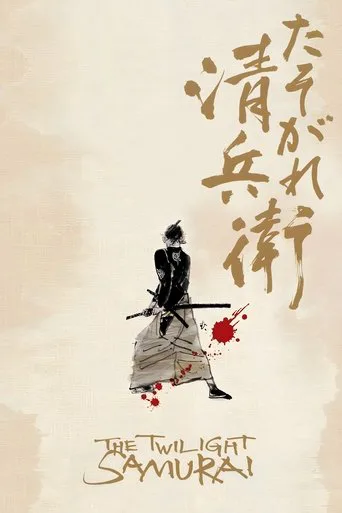
Trailers
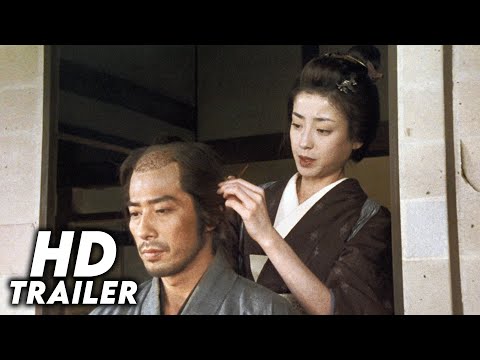
Description
Seibei Iguchi leads a difficult life as a low ranking samurai at the turn of the nineteenth century. A widower with a meager income, Seibei struggles to take care of his two daughters and senile mother. New prospects seem to open up when the beautiful Tomoe, a childhood friend, comes back into he and his daughters' life, but as the Japanese feudal system unravels, Seibei is still bound by the code of honor of the samurai and by his own sense of social precedence. How can he find a way to do what is best for those he loves?
Starring
Awards
Key opinion
The Twilight Samurai is widely celebrated for its humanistic, revisionist approach to the samurai genre, stripping away heroic myths to focus on the quiet dignity of daily life. By blending meticulous historical realism with deep emotional resonance, it offers a poignant portrait of a man balancing traditional duty with the evolving values of a changing era.
| Acting | Hiroyuki Sanada’s nuanced performance anchors the film, effectively conveying the internal conflict and hidden warmth of a man trapped by social station. | |
| Direction | Yoji Yamada’s direction successfully subverts traditional genre tropes, favoring historical naturalism and humble domesticity over stylized spectacle. | |
| Production | The film is visually immersive, utilizing authentic symbolic details and minimalist Japanese aesthetics to ground the narrative in a tangible Edo-period reality. | |
| Emotion | The film delivers a profound emotional impact by focusing on the quiet, selfless sacrifices of a father rather than the typical grandiosity of warrior lore. | |
| Pacing | The deliberate, contemplative pacing serves to build deep atmosphere and character, though it may feel slow to viewers accustomed to traditional action-heavy samurai cinema. |