← Back to results
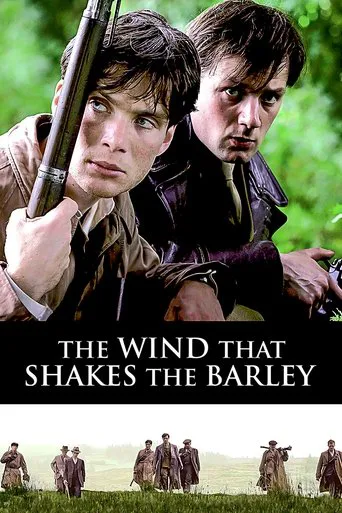
The Wind That Shakes the Barley
2006 127 min Ireland, United Kingdom, Germany, Italy, Spain 18+
★7.7
Drama, War
Director: Ken Loach
Trailers
 EN
EN
 EN
EN
Description
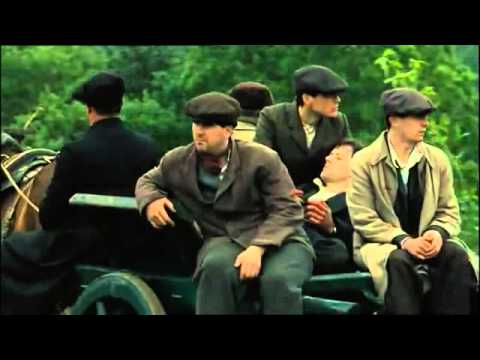
In 1920s Ireland young doctor Damien O'Donovan prepares to depart for a new job in a London hospital. As he says his goodbyes at a friend's farm, British Black and Tans arrive, and a young man is killed. Damien joins his brother Teddy in the Irish Republican Army, but political events are soon set in motion that tear the brothers apart.
Budget:
$6.5M
US Gross:
$1.84M
Worldwide:
$22.9M
Starring
Cillian Murphy
Actor
Pádraic Delaney
Actor
Liam Cunningham
Actor
Awards
Cannes Film Festival 2006
— Palme d'Or
European Film Awards 2006
— Best Cinematography
European Film Awards 2006
— Best Screenplay
European Film Awards 2006
— Best Actor
European Film Awards 2006
— Best Cinematography
Goya Awards 2007
— Best European Film
European Film Awards 2006
— Best Director
Key opinion
The Wind That Shakes the Barley is a somber, humanistic exploration of the Irish War of Independence and the subsequent Civil War. While praised for its unflinching look at the moral complexities of fratricidal conflict, the film is polarized by its intensely ideological, lecture-like narrative style.
| Theme | The film effectively uses the tragic fracture of the two lead brothers to symbolize the wider, devastating ideological split within the Irish independence movement. | |
| Production | The stark, grim visual depiction of the Irish landscape provides a grounded, non-romanticized atmosphere that enhances the historical weight of the rebellion. | |
| Acting | Cillian Murphy delivers a nuanced performance that captures the internal evolution of his character from a reluctant civilian to a hardened militant. | |
| Screenplay | The narrative's political perspective is divisive: supporters find it a necessary, empathetic look at the anti-imperialist struggle, while critics argue it is a one-sided, didactic critique that ignores British rationale. | |
| Pacing | The deliberate, slow-paced direction divides audiences between those who appreciate the film’s serious, contemplative tone and those who find the storytelling dry and tedious. |