Trailers
 EN
EN
 EN
EN
 EN
EN
Description
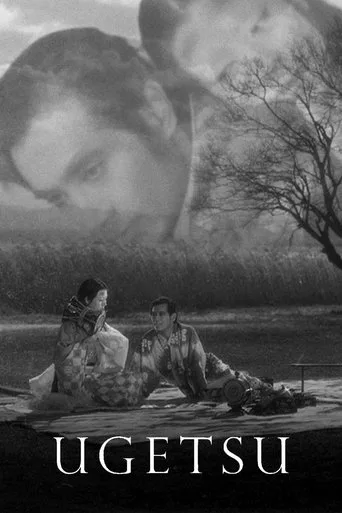
In 16th century Japan, peasants Genjuro and Tobei sell their earthenware pots to a group of soldiers in a nearby village, in defiance of a local sage's warning against seeking to profit from warfare. Genjuro's pursuit of both riches and the mysterious Lady Wakasa, as well as Tobei's desire to become a samurai, run the risk of destroying both themselves and their wives, Miyagi and Ohama.
Starring
Awards
Key opinion
Ugetsu is widely regarded as a cinematic masterpiece that masterfully weaves together 16th-century Japanese folklore, Buddhist philosophy, and a profound critique of masculine ambition. While a small minority finds the film's slow, theatrical style archaic or unengaging, most critics celebrate its visual precision and deeply empathetic portrayal of women's resilience.
| Theme | The film functions as a moral parable that contrasts the reckless, selfish ambitions of men with the wisdom and self-sacrifice of women. | |
| Direction | Mizoguchi utilizes a signature 'one-scene-one-cut' visual approach and long takes to create an ethereal, dreamlike atmosphere that seamlessly blends reality with the supernatural. | |
| Cinematography | The cinematography is consistently praised for its painterly, haiku-like precision, particularly in its atmospheric depiction of mist-shrouded landscapes and ghost motifs. | |
| Pacing | The film's slow, contemplative pace and reliance on traditional theatrical aesthetics polarize viewers; some perceive it as a poetic, transcendent experience, while others find it tedious or lacking in dynamic momentum. |