Trailers
 EN
EN
 EN
EN
 Teaser
Description
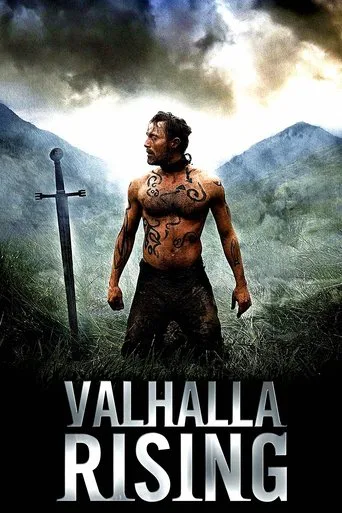
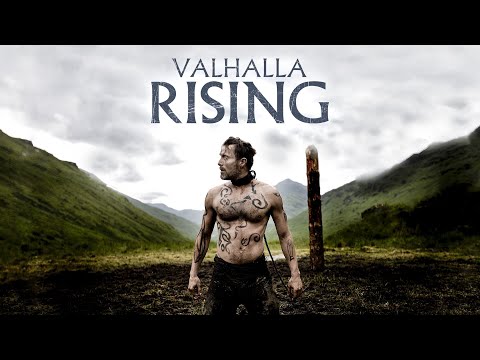
Scandinavia, 1,000 AD. For years, One Eye, a mute warrior of supernatural strength, has been held prisoner by the Norse chieftain Barde. Aided by Are, a boy slave, One Eye slays his captor and together he and Are escape, beginning a journey into the heart of darkness. On their flight, One Eye and Are board a Viking vessel, but the ship is soon engulfed by an endless fog that clears only as the crew sights an unknown land. As the new world reveals its secrets and the Vikings confront their terrible and bloody fate, One Eye discovers his true self.
Starring
Awards
Key opinion
Valhalla Rising is a polarizing, atmospheric art-house film that functions more as an immersive, surreal meditation than a traditional narrative. While many viewers praise its visual artistry, sound design, and thematic depth, others find the minimalist plot and slow pace to be empty or frustratingly incoherent.
| Acting | Mads Mikkelsen delivers a commanding, highly expressive performance that anchors the film despite his character being entirely mute. | |
| Cinematography | The cinematography and visual composition are widely praised for creating a raw, bleak, and immersive atmosphere that functions like a moving painting. | |
| Score | The sound design and ambient, hypnotic score are exceptionally effective at probing the subconscious and establishing a sense of inevitable doom. | |
| Theme | The film creates deep intellectual engagement for some by exploring existential themes like faith, the clash of paganism and Christianity, and the nature of survival. | |
| Pacing | The minimalist narrative and deliberate pacing are divisive; proponents view the slow, meditative rhythm as an essential artistic choice, while detractors find it lacks substance and feels needlessly drawn out. | |
| Screenplay | Opinions on the film's structural trajectory are split, with some appreciating the shift from gritty historical realism to surreal, inexplicable dream-logic, while others feel the plot collapses or becomes incoherent in the later acts. |