Trailers
 EN
EN
 EN
EN
 EN
EN
Description
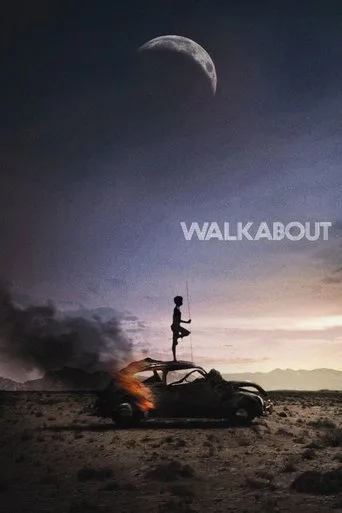
Under the pretense of having a picnic, a geologist takes his teenage daughter and 6-year-old son into the Australian outback and attempts to shoot them. When he fails, he turns the gun on himself, and the two city-bred children must contend with harsh wilderness alone. They are saved by a chance encounter with an Aboriginal boy who shows them how to survive, and in the process underscores the disharmony between nature and modern life.
Starring
Awards
Key opinion
Nicolas Roeg’s Walkabout is widely celebrated as a visually stunning, mythic exploration of the clash between urban civilization and the natural world. While its experimental editing and stark juxtaposition of beauty and graphic animal violence provoke strong, polarized reactions, it is largely considered a seminal masterpiece of the Australian New Wave.
| Cinematography | The cinematography captures the Australian Outback with a haunting, Romantic beauty that serves as the film's most consistent aesthetic strength. | |
| Theme | The film functions as a powerful thematic manifesto, deeply committed to exploring the impossibility of coexistence between industrialized society and primordial nature. | |
| Acting | The performances are noted for their detached, stylized quality, which effectively mirrors the film's broader inquiry into cultural alienation. | |
| Editing | The experimental, fragmented editing style creates a surreal and disorienting atmosphere that some viewers find brilliant and evocative, while others find it incoherent and distancing. | |
| Emotion | The graphic, recurring depictions of animal slaughter create a jarring tonal dissonance that leads some to admire the film's unflinching realism and others to feel alienated or repulsed. |