Трейлеры

 RU
RU
 RU
RU
 RU
RU
 RU
RU
 RU
RU
 RU
RU
 RU
RU
 RU
RU
 RU
RU
 RU
RU
Описание
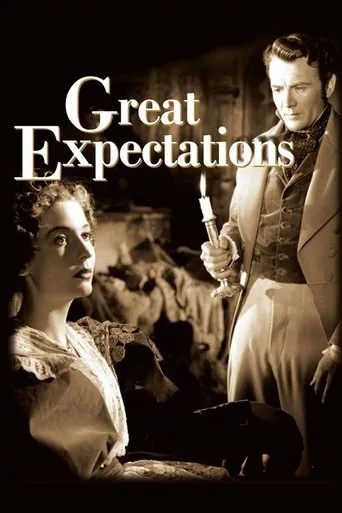
В окрестностях Рочестера, старинного городка к юго-востоку от Лондона, жил семилетний мальчик, прозванный Пипом. Он остался без родителей, и воспитывала его взбалмошная старшая сестра. Её мужем был кузнец Джо Гарджери - светловолосый великан, покладистый и простоватый, только он, как мог, защищал Пипа. Однажды серая жизнь Пипа изменилась в корне, и началось это в тот день, когда мальчик столкнулся на кладбище с беглым каторжником. Тот под страхом смерти потребовал принести "жратвы и напильник", чтобы освободиться от кандалов. Скольких усилий стоило парнишке тайком собрать и передать узелок, но именно этот добрый поступок в последствии привел к целой череде удивительных историй и превращений, которые произошли в его жизни…
В главных ролях
Награды
Ключевое мнение
David Lean’s 1946 adaptation of Great Expectations is widely regarded as a pinnacle of British cinema, celebrated for its atmospheric direction and masterful visual storytelling. While the film is praised for its faithful capture of Dickensian themes and expert production design, it faces criticism regarding its casting choices and significant deviations from the novel's original ending.
| Режиссура | David Lean’s masterful use of light, shadow, and environmental detail creates an immersive, high-quality atmosphere. | |
| Декорации | The production design and cinematography are technically brilliant, earning well-deserved industry recognition for their visual execution. | |
| Адаптация | The adaptation effectively translates Dickens’ complex narrative and thematic depth into a coherent, compelling cinematic experience. | |
| Актёрская игра | Critics are split on the casting: while performances like Martita Hunt’s Miss Havisham and Bernard Miles’ Joe are lauded, the age-mismatch of John Mills and the perceived lack of charm in Valérie Hobson’s Estella prove distracting to many. | |
| Финал | The alteration of the novel's ending is a point of contention; some see it as a narrative success, while others argue it fundamentally undermines the thematic meaning of the source material. |